

Measured, Not Estimated
Survey-grade capture with ground control, delivered in the formats your engineers already use.


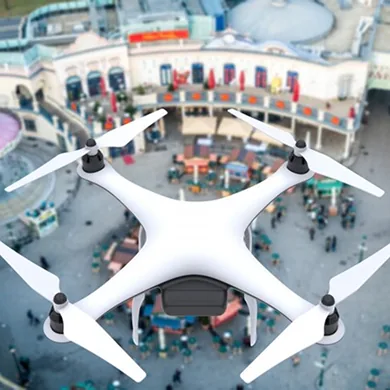
A dock earns its place when a site needs the same flight, on the same schedule, for months: progress capture, stockpile and earthworks volumes, and perimeter or security patrols on large or remote sites. Anywhere the expensive part of the job is sending a crew out for a half-hour flight.
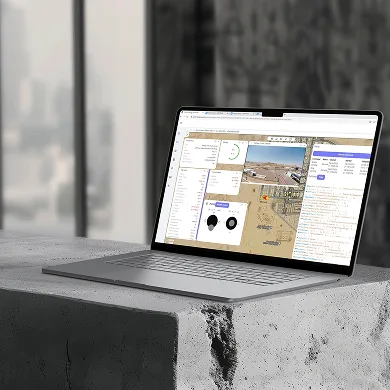
We are not tied to one manufacturer. We specify the dock around the site rather than around what we happen to sell, and the imagery lands in the AirTech Portal whichever platform flew it.
DJI Dock 3
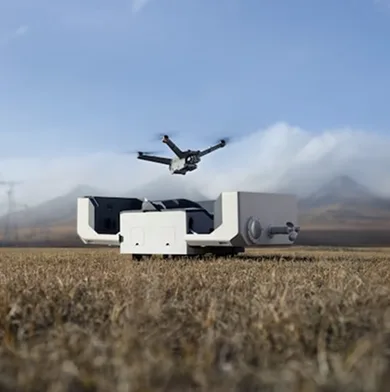
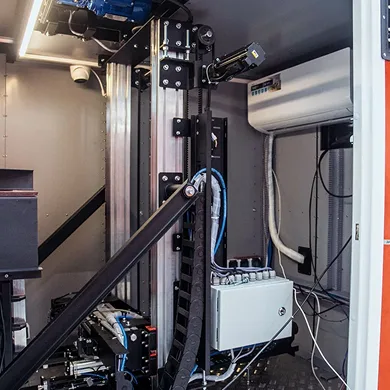
We have a Dock 3 in the office, ready to deploy. It is a self-contained weatherproof station with its own weather sensing and charging, and it is the quickest of our options to get onto a site and flying, because the airframe and the dock are designed as one system.
AERI PORT M300 and AERI SOFT
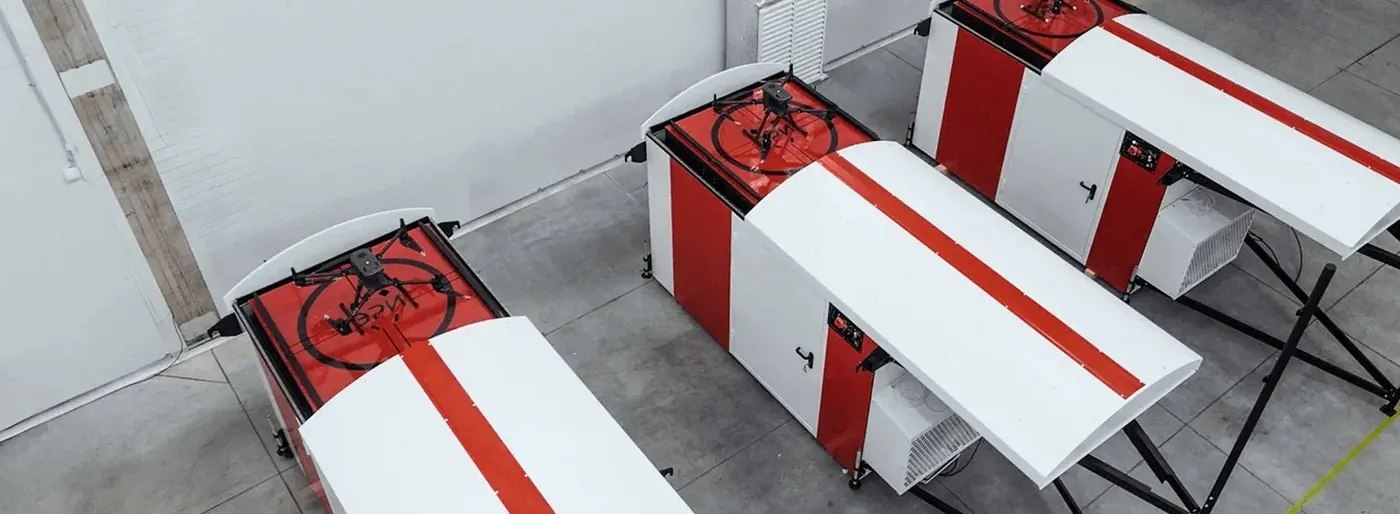
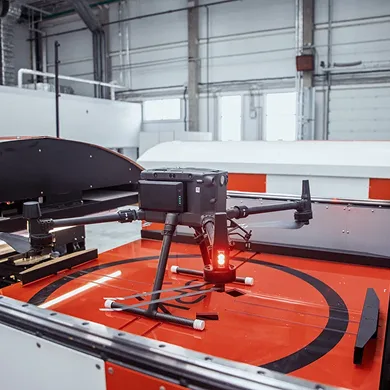
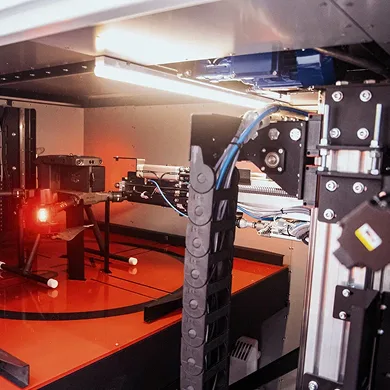
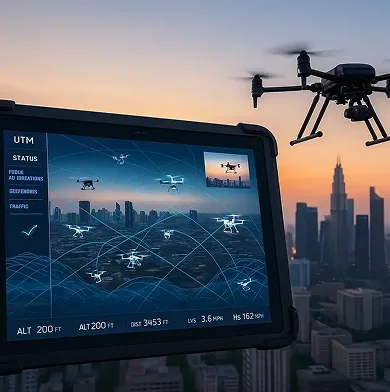
The AERI PORT M300 is a robotic battery-swap station rather than a charging pad. It replaces the battery in about two minutes with roughly forty seconds of aircraft preparation, so the drone is back in the air instead of sitting on charge. It carries an integrated weather station and climate control, operates from −45°C to +55°C, and takes the DJI M300 and M350. AERI SOFT handles mission planning, manual and automatic control, real-time monitoring and UTM integration, with reporting that can feed an ERP system.
Where a site runs continuously, or sits far enough out that a battery swap beats a charge cycle, this is the stronger option.
Anything else
If a project has a requirement neither covers, we will source and integrate a different dock rather than push you onto one of ours. We will also tell you plainly which parts of a stack are ours and which belong to the manufacturer — AERI’s on-board analytics, for instance, are AERI’s capability, not something we wrote.
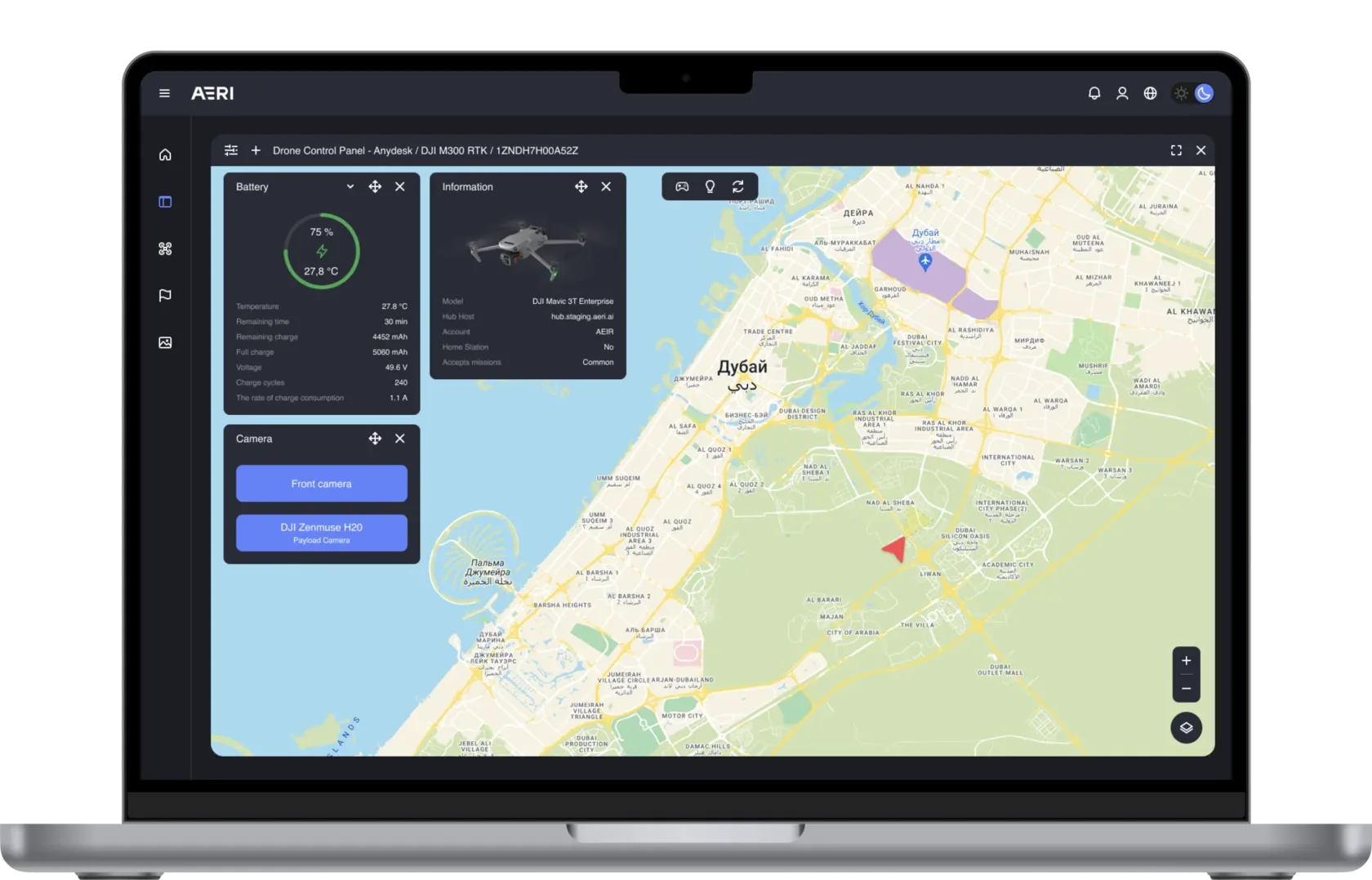
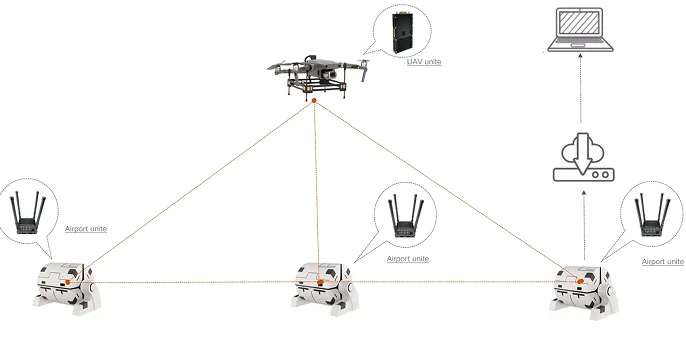
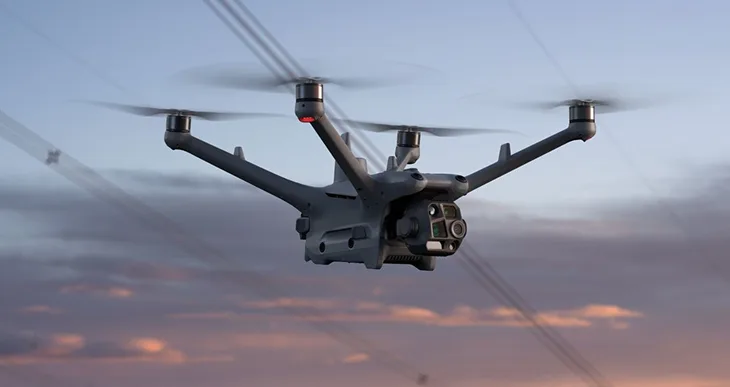
A drone in a box is a drone that lives on site in a weatherproof docking station. It flies its own missions on a schedule, lands, recharges and uploads, with nobody on site. We have a DJI Dock 3 in the office, ready to deploy.
The station handles the parts a pilot normally does. Doors open, the drone launches, flies the route, returns, lands on the pad and charges. Built-in CCTV lets a remote pilot watch every takeoff and landing. A weather station on the dock holds the drone on the ground if conditions are outside limits.
It suits sites that need the same view on the same schedule for months: progress monitoring, stockpile and earthworks volumes, perimeter and security patrols, and anywhere sending a crew for a half-hour flight is the expensive part.
Survey-grade capture with ground control, delivered in the formats your engineers already use.
A registered RPAS operator flying with DCAA and GCAA approvals, and USD 5,000,000 third-party liability cover on every job.
Every capture lands in the AirTech Portal and stays there for the contract term, with individual logins and an activity log.