

Measured, Not Estimated
Survey-grade capture with ground control, delivered in the formats your engineers already use.

Live video sounds like one service. It is two, and they fail in opposite directions.
A broadcast feed must not drop for ninety seconds while a presenter is crossing to it. Nothing else matters as much — not resolution, not archive, not coverage. It has to be there, now, with latency low enough that a studio can talk over it.
A site monitoring feed is judged the other way round. Nobody is watching most of the time. What matters is that when someone does look — or looks back at last Tuesday — the picture is there and the record has no hole in it. A ten-second buffer is irrelevant; a missing afternoon is not.
Designing one as though it were the other is the usual mistake. A broadcast rig left on a site produces no archive. A monitoring camera pointed at an event produces a feed a broadcaster cannot use.
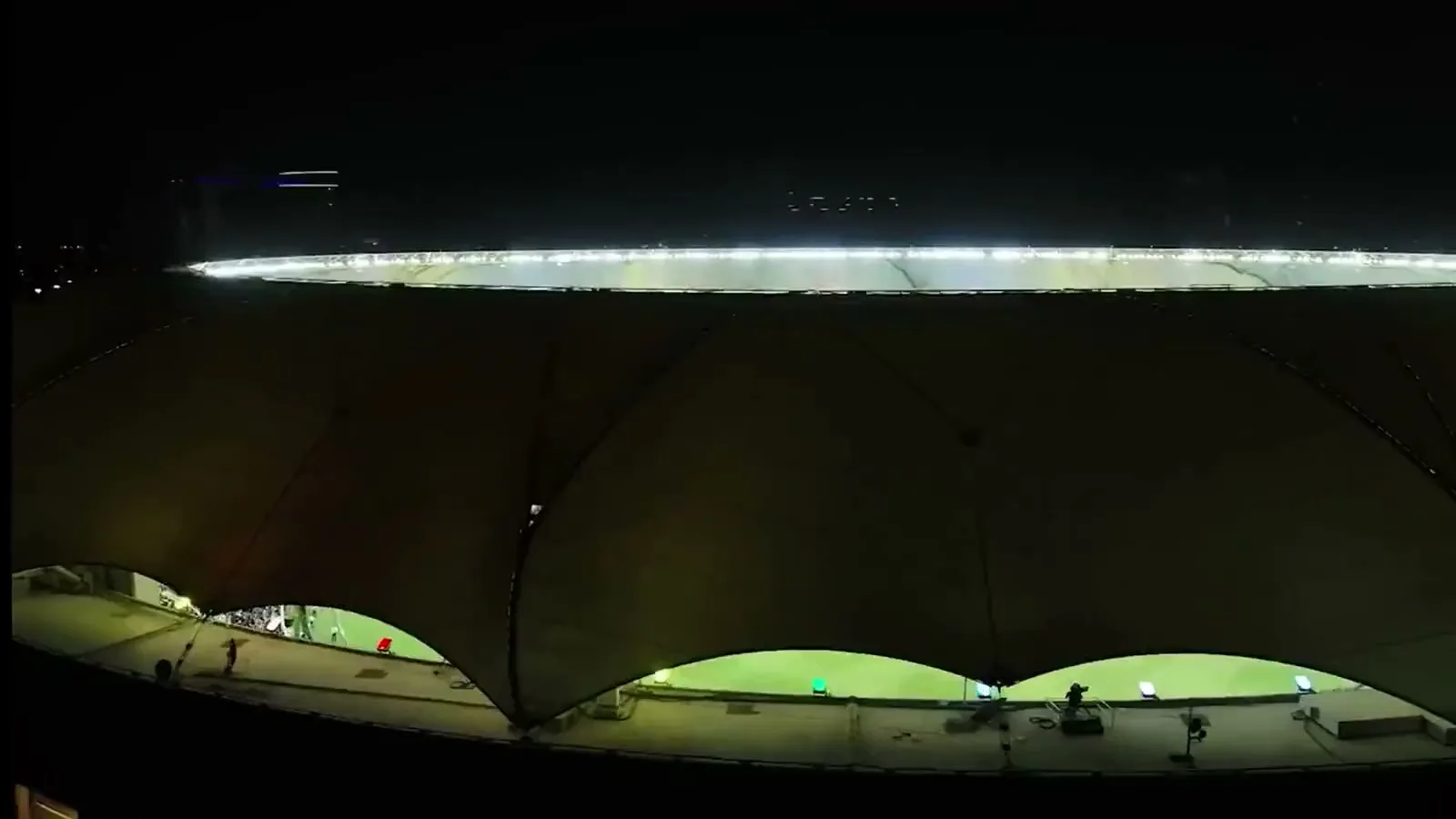
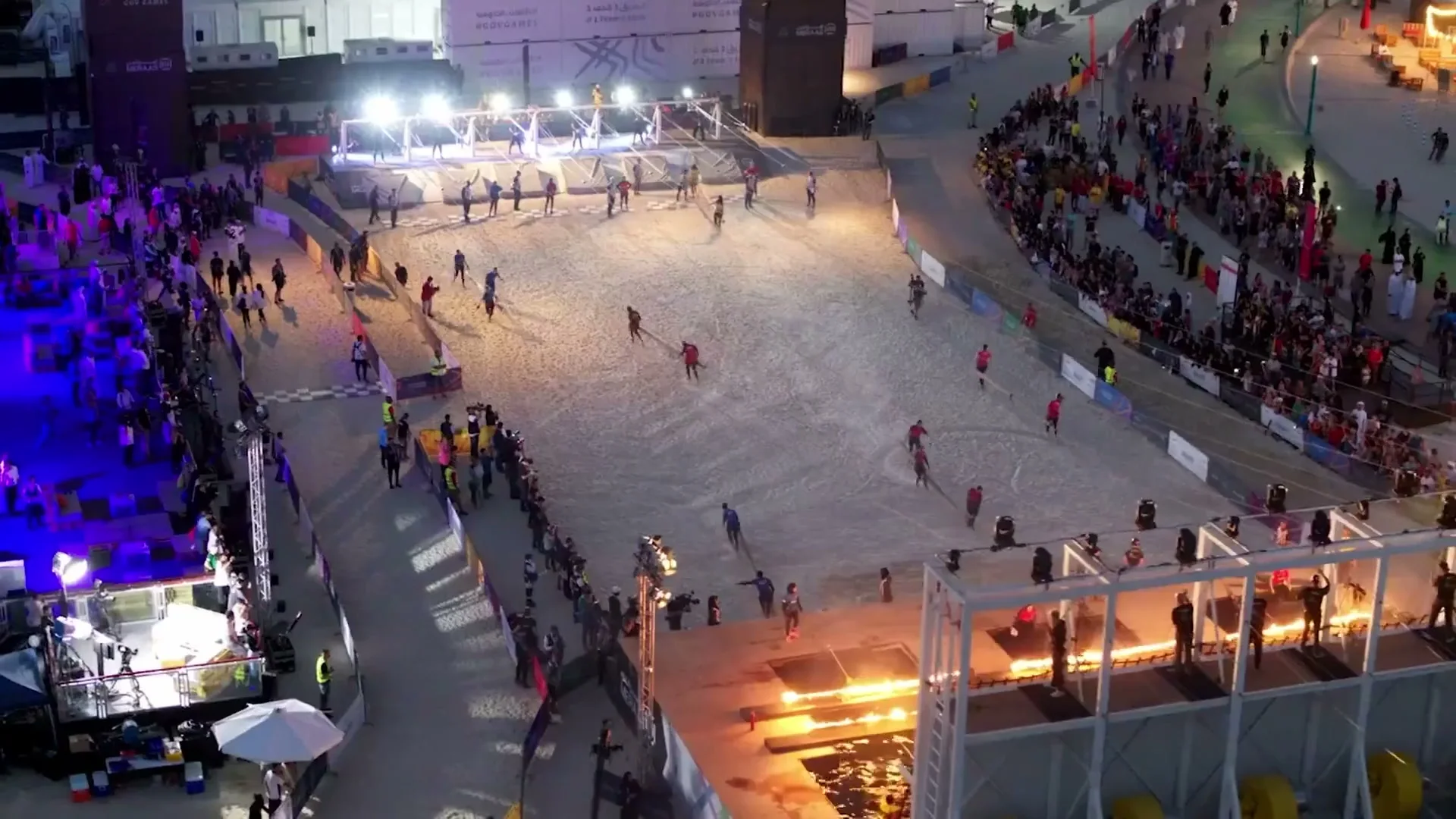
For live transmission we fly with a licensed pilot and a dedicated link, deliver a zero-latency Full HD feed, and hand it to the broadcaster or straight into a streaming platform. Ground and aerial feeds can run together so a director can cut between them.
The work that actually determines whether this succeeds happens before the day: the flight approval, the crowd overflight permission, the frequency coordination, and a plan for what happens if the aircraft has to come down mid-transmission. We arrange the permits ourselves, and on event work that lead time is usually the binding constraint rather than anything technical.
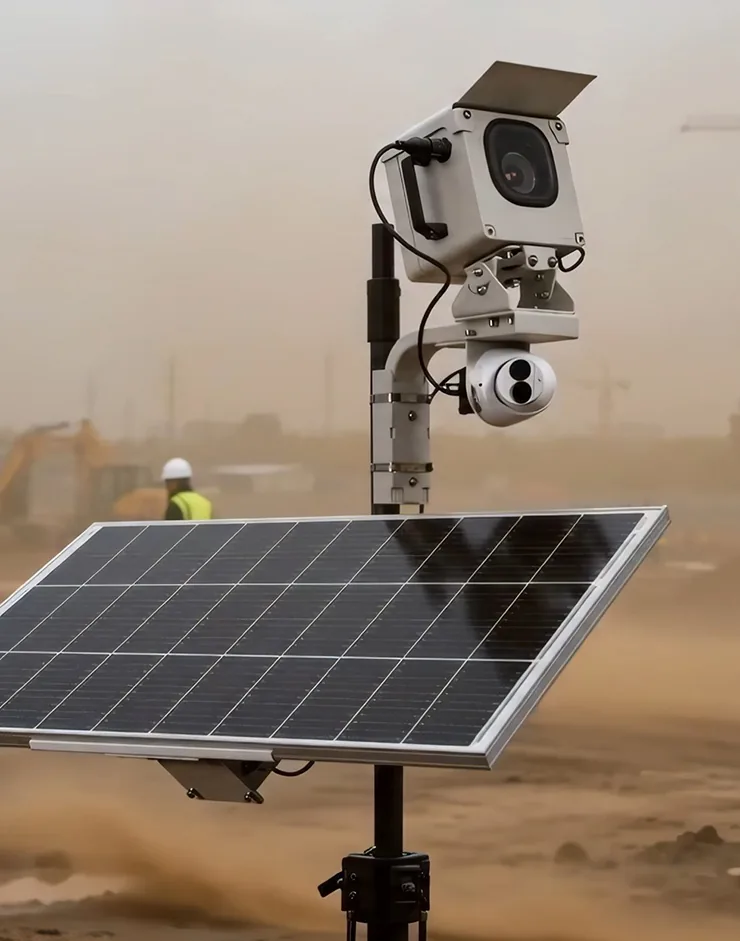
For construction monitoring we install 4K PTZ cameras with 100 m infrared, viewable on web and mobile, recording continuously to an on-site recorder with enterprise drives. Logins are individual and role-based, so the main contractor, the client and a consultant each see what they should and nothing they should not.
Because the cameras are already there and already pointed, they do a second job at no extra hardware cost: each one is scripted to move to a preset frame and capture a 4K still on a fixed interval, producing a close-up time-lapse of a specific element alongside the live view. On one landmark venue build that runs continuously beside the wider time-lapse record.
Less than people expect. PTZ cameras need power and a network path, which on most sites means an existing feed or a small local install rather than anything civil. Where neither exists, our solar time-lapse cameras run entirely independently and can cover the record while a permanent live install is arranged.
Connectivity is the honest constraint. A live feed needs sustained upload, and a site with marginal coverage will produce a marginal picture no matter what camera is on the pole. We test the link before quoting rather than after installing.
AirTech is a registered RPAS operator across all seven emirates with DCAA and GCAA certified pilots and USD 5 million public liability, and we handle the permits — including the approvals that flying a live feed over a public event requires.
On film
Survey-grade capture with ground control, delivered in the formats your engineers already use.
A registered RPAS operator flying with DCAA and GCAA approvals, and USD 5,000,000 third-party liability cover on every job.
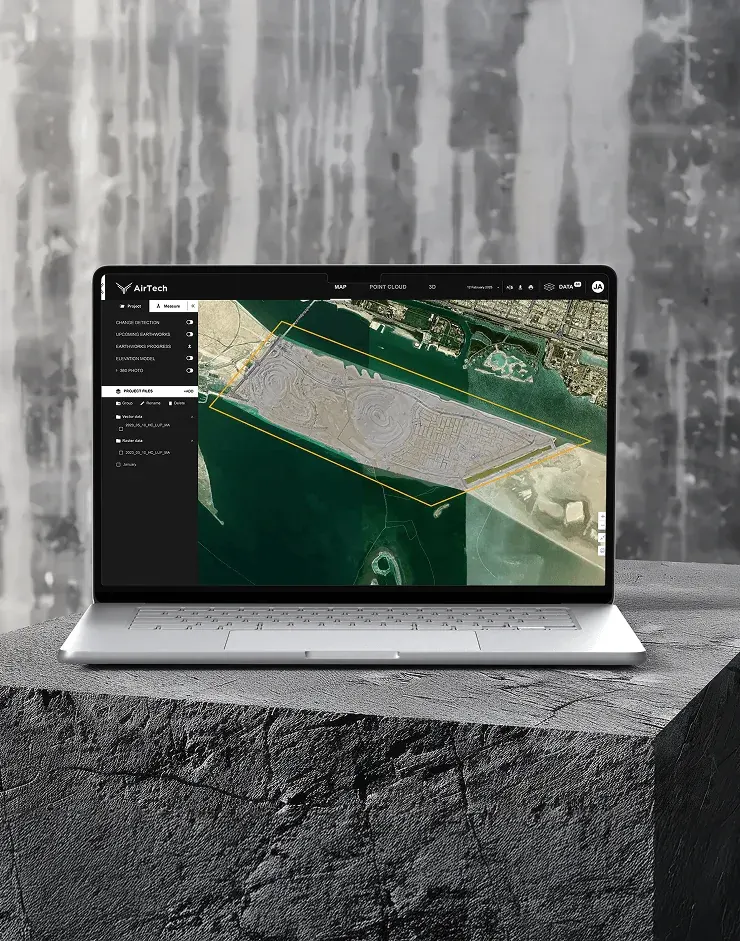
Every capture lands in the AirTech Portal and stays there for the contract term, with individual logins and an activity log.